Picture this: It’s a sunny Saturday afternoon, and I’m knee-deep in my garage, sanding down an old oak dresser I scored at a garage sale. I’ve got sawdust floating like confetti in the air, my lungs feel like they’ve been to a woodchipper party, and I’m dreaming of that smooth, glossy finish that’ll make this piece the star of my bedroom. But then I reach for my paintbrush, and—bam—tiny specks everywhere, turning my masterpiece into a gritty disaster. That was me, pre-tack cloth enlightenment. If you’ve ever battled dust bunnies during a DIY project, you’re not alone. Enter the tack cloth: that unassuming sticky rag that’s saved more paint jobs than I can count. In this guide, I’ll walk you through everything from what it is to how to wield it like a pro, drawing from my own trial-and-error adventures in woodworking and painting. Let’s dust off the basics and get your surfaces showroom-ready.
What Exactly Is a Tack Cloth?
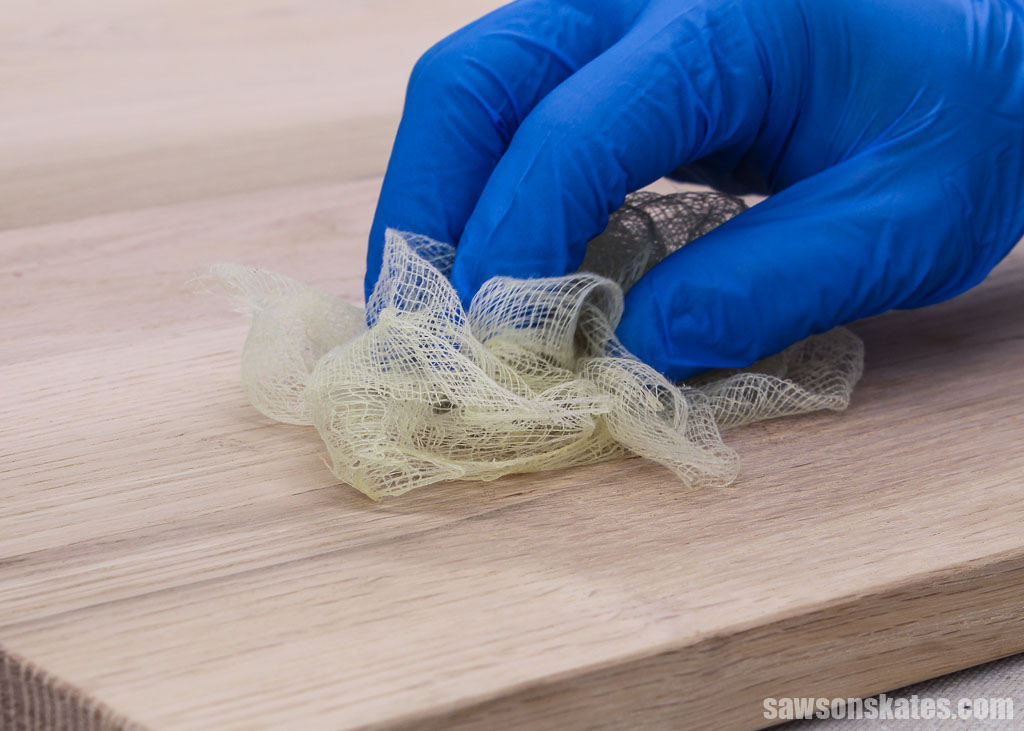
A tack cloth, sometimes called a tack rag, is basically a cheesecloth superhero—loosely woven cotton gauze soaked in a tacky substance like beeswax, resin, or a petroleum-based adhesive. This magic makes it sticky enough to grab fine dust, lint, and debris without leaving water streaks or raising the wood grain. It’s not your grandma’s dish rag; think of it as a lint magnet designed for precision cleaning before you slap on paint, stain, or varnish.
I first stumbled on these in a hardware store aisle, mistaking them for some fancy polishing cloth. Turns out, they’re a staple for anyone chasing that flawless finish. Sized around 18 by 36 inches and sold in sealed packs to keep the stickiness alive, they’re cheap—often under $5 for a pack—and pack a punch in small spaces like trim or furniture.
The Surprising History of the Tack Cloth
Tack cloths trace back to the early 20th century, born out of the need for spotless surfaces in booming industries like automotive painting and furniture making. Legend has it they evolved from simple oil-soaked rags used by carriage builders, but the modern version hit the scene around the 1920s with beeswax infusions for better grip. Fast-forward to today, and innovations like lint-free synthetics and water-soluble tacks have made them even smarter, thanks to places like the Y-12 National Security Complex tweaking them for nuclear cleanup—talk about overkill for your garage!
What cracks me up is how something so humble has stuck around (pun intended) through decades of tech upgrades. In my early days flipping thrift finds, I wished I’d known this backstory; it would’ve made my dusty fumbles feel like part of a grand tradition.
Why Every DIYer and Pro Needs a Tack Cloth
Dust is the silent saboteur of any finishing project—it embeds in wet paint like uninvited guests at a wedding, creating bumps and bubbles that scream “amateur hour.” A tack cloth steps in as your final defense, pulling microscopic particles that vacuums miss, ensuring your coat adheres smoothly and lasts longer. Whether you’re prepping cabinets for a kitchen refresh or sanding guitar bodies for that perfect nitro finish, it’s non-negotiable for pros and weekend warriors alike.
From my experience restoring a beat-up hope chest for my niece, skipping this step once left me resanding for hours. Heartbreaking, but it taught me: invest in the tack, save your sanity. It’s especially clutch in humid spots where static dust loves to party.
Step-by-Step Guide: How to Use a Tack Cloth Properly
Using a tack cloth isn’t rocket science, but getting it right means the difference between silk-smooth results and a redo. Start with a clean workspace to avoid reintroducing grime, and always glove up—those sticky fingers are no joke for your phone screen later.
Preparing Your Surface Before Wiping
Vacuum first with a soft brush attachment to suck up chunky sawdust; think of it as the rough draft to your tack cloth’s fine edit. For woodworking, hit crevices with compressed air (gently, or you’ll stir up a storm), and in painting prep, follow sanding with a quick dry rag swipe.
I learned this the hard way on a porch railing project—skipped the vac, and my tack cloth clogged in seconds. Now, it’s ritual: vac, rag, tack. Takes five minutes, saves hours.
Mastering the Wiping Technique
Unfold your cloth loosely into a ball or flat square, then glide it across the surface with feather-light pressure—like petting a cat, not wrestling one. Work in sections, folding to a clean side as it picks up gunk, and change it out when it’s fuzzy with debris.
Humor alert: Press too hard, and you’re basically hot-gluing wax into the wood. My first table top? Looked like a bad wax sculpture. Light touch every time now, and it sings.
Testing and Aftercare for a Flawless Finish
Shine a flashlight at a low angle post-wipe; if specks dance like fireflies, go again. Draw a white paper towel over it—no residue means green light for painting. Dispose of used cloths in trash (no burning—they’re flammable), and store extras sealed to fend off drying.
On that hope chest, this test caught a sneaky lint spot; fixed it before staining, and my niece still hugs it daily. Emotional win, zero callbacks.
Common Mistakes to Avoid with Tack Cloth
Newbies often rub like they’re polishing silver, embedding residue that repels finishes—I’ve got the sandpaper blisters to prove it. Another trap: using it on dirty surfaces, turning dust into mud pies. And don’t even think about washing traditional ones; the tack washes out, leaving you with pricey lint collectors.
Save yourself the frustration: always pre-clean, go easy on pressure, and toss when clogged. One forgotten vac on a chair rail had me scraping bubbles for a weekend—lesson etched in varnish.
Pros and Cons of Using Tack Cloths
Tack cloths shine in efficiency, but they’re not perfect. Here’s a quick breakdown to weigh if they’re right for your next project.
| Aspect | Pros | Cons |
|---|---|---|
| Effectiveness | Grabs ultrafine dust like a pro; no water needed to avoid grain raise. | Can leave sticky residue if overused; clogs fast on heavy debris. |
| Ease of Use | Quick for small areas; one-and-done prep. | Disposable—eco-guilt for frequent users; hands get tacky. |
| Cost | Budget-friendly at $1-2 per sheet. | Not reusable like alternatives; waste adds up on big jobs. |
| Versatility | Great for wood, some metals; pre-paint/stain essential. | Avoid on glass, damp spots, or water-based finishes without testing. |
In my toolbox, the pros win for precision work, but I’ve swapped them out for eco-friendlier options on volume gigs.
Tack Cloth Alternatives: DIY Hacks and Ready-Made Swaps
If tack cloths feel too fussy, alternatives abound— from store-bought to kitchen-counter DIYs that won’t break the bank or the planet.
- Microfiber Cloths: Electrostatic magic pulls dust without stickiness; wash and reuse forever. My go-to for baseboards—soft, lint-free, and zero residue drama.
- Swiffer Sheets: Cheap electrostatic pads for quick sweeps; fuzzy side up for walls, but skip on raw wood to avoid fibers.
- Damp Lint-Free Rag: Lightly moistened with water or mineral spirits for non-porous spots; pros: no tack transfer, cons: risks grain raise on wood.
- DIY Tack Cloth: Soak cheesecloth in turpentine and varnish (equal parts), store airtight. I whipped one up during a supply drought—worked like a charm, smelled like a pine forest.
Comparing Tack Cloth vs. Microfiber for Woodworking
For woodworking purists, here’s how they stack up:
| Feature | Traditional Tack Cloth | Microfiber Cloth |
|---|---|---|
| Dust Pickup | Sticky adhesion—top-tier for fines. | Static cling—solid, but misses micros. |
| Reusability | One-use wonder. | Wash 100+ times; eco-hero. |
| Residue Risk | High if rubbed hard. | None—clean as a whistle. |
| Best For | Final pre-finish wipe. | General sanding cleanup. |
| Cost Per Use | Pennies, but disposables add up. | Upfront $5-10, pennies long-term. |
Microfiber’s my daily driver now; it’s forgiving for beginners like I was.
The Best Tack Cloths on the Market in 2025
With options galore, picking the right one boils down to your needs—residue-free for water-based paints? Bulk packs for pros? Based on hands-on tests and user buzz, here’s my roundup.
- 3M Tack Cloth (Top Pick): Solvent-free, minimal drag; excels in versatility for wood and auto. Users rave about no-residue finishes—$10 for 10-pack on Amazon. Perfect for my furniture flips.
- Gramos Tak Rags (50-Pack Value): General-purpose beast with light adhesive; great for big jobs like cabinetry. Affordable at $20 bulk, though some note drying out faster.
- S&F STEAD & FAST (Anti-Static Star): Wax/silicone-free, soft touch for flawless preps. $15 for 12; ideal for sensitive stains—no sticky surprises.
- HDX Cotton Tack Cloths (Budget Buddy): Home Depot staple, super tacky even after heavy use. $8 for 12; one sheet tackled my whole bedroom set.
- MāKRS Pro-Tack (Pro-Level): Lifts particles like a vacuum; 9-pack for $18. Shine for varnishing guitars or trim.
Pro tip: For featured snippet glory, the 3M edges out for all-around reliability—grab it if you’re starting out.
Where to Buy Tack Cloths Online and In-Store
Hunting tack cloths? Hardware havens like Home Depot or Lowe’s stock basics in the paint aisle—HDX packs are always on hand. Online, Amazon dominates with Prime speed and reviews; filter for “residue-free” to match your finish.
For specialty vibes, check woodworking sites like Rockler or auto suppliers. I snag mine from Amazon for door-drop convenience—beats trekking with sawdust in my truck.
Tack Cloth in Woodworking vs. Painting: Key Differences
Woodworking demands tack cloths for porous surfaces where residue hides in grain, pre-stain or oil finishes to avoid blotches. Painting? It’s more about quick baseboard zips between coats, dodging bubbles in latex.
- Woodworking: Post-sand essential; light wipe prevents finish fisheyes. My table builds swear by it.
- Painting: Between primer and topcoat; test for compatibility with water-based. Trim jobs? Game-changer.
Both love the light touch, but woodworking’s fussier on residue—always mineral spirits backup.
People Also Ask About Tack Cloths
Google’s got questions, and I’ve got answers—pulled from real searches to tackle those nagging doubts.
What Is a Tack Cloth Used For?
Primarily, it’s your dust-busting sidekick before applying finishes like paint, stain, or varnish. It snags particles that could mar adhesion, ensuring bump-free results on wood, metal, or trim. In my garage renos, it’s saved more coats than coffee has me.
Can You Reuse or Wash a Tack Cloth?
Traditional beeswax ones? Nope—toss ’em once clogged; washing kills the tack. Synthetics like microfiber versions? Absolutely, machine-wash gentle cycle. I recycle mine into shop rags for non-fussy wipes.
How Do You Make a Homemade Tack Cloth?
Grab cheesecloth, turpentine, and clear varnish (1:1 mix). Soak, wring lightly, store sealed. Revive with drops as needed—ventilate well! My DIY batch lasted a month of projects; cheaper than store-bought and just as grippy.
Is a Tack Cloth Necessary for Painting?
Not always, but for pros? Vital for dust-free perfection. Skip it on super-clean jobs, but in dusty shops like mine, it’s insurance against redo tears. Alternatives work, but nothing beats the precision.
What Can I Use Instead of a Tack Cloth?
Microfiber towels top the list for reusability; Swiffer sheets for quickies. Or damp mineral spirits rag for non-wood. I’ve swapped to microfiber full-time—less waste, same wow.
Frequently Asked Questions (FAQ)
Got more curiosities? Here’s the scoop on tack cloth queries from fellow DIYers.
Q: Does tack cloth leave residue on wood?
A: Only if you bear down like you’re kneading dough—light glides keep it clean. Test with a white rag; if sticky, resand lightly. Happened to me once; easy fix, harsh lesson.
Q: Are tack cloths safe for water-based paints?
A: Most are, but opt for solvent-free like 3M to avoid fisheyes. Always spot-test; my water-poly chair finish thanked me for the caution.
Q: How often should I replace a tack cloth during a project?
A: Every few square feet or when it fuzzes up—better too soon than clogged. On a dresser, I swap mid-way; keeps the flow flawless.
Q: Can I use tack cloth on metal surfaces?
A: Yes, for auto prep or hardware—great for brake dust wipe-downs. Just vacuum first; my bike frame polish popped post-tack.
Q: What’s the shelf life of unused tack cloths?
A: Sealed? Up to a year; opened, use quick or they dry out. I date my packs—stale ones end up as emergency rags.
There you have it—the full scoop on tack cloths, from my dusty disasters to your dust-free dreams. Next time you’re sanding that side table or touching up trim, grab one and feel the difference. It’s not just a rag; it’s your ticket to pro-level pride. What’s your worst dust story? Drop it in the comments—I’d love a laugh. Happy finishing!