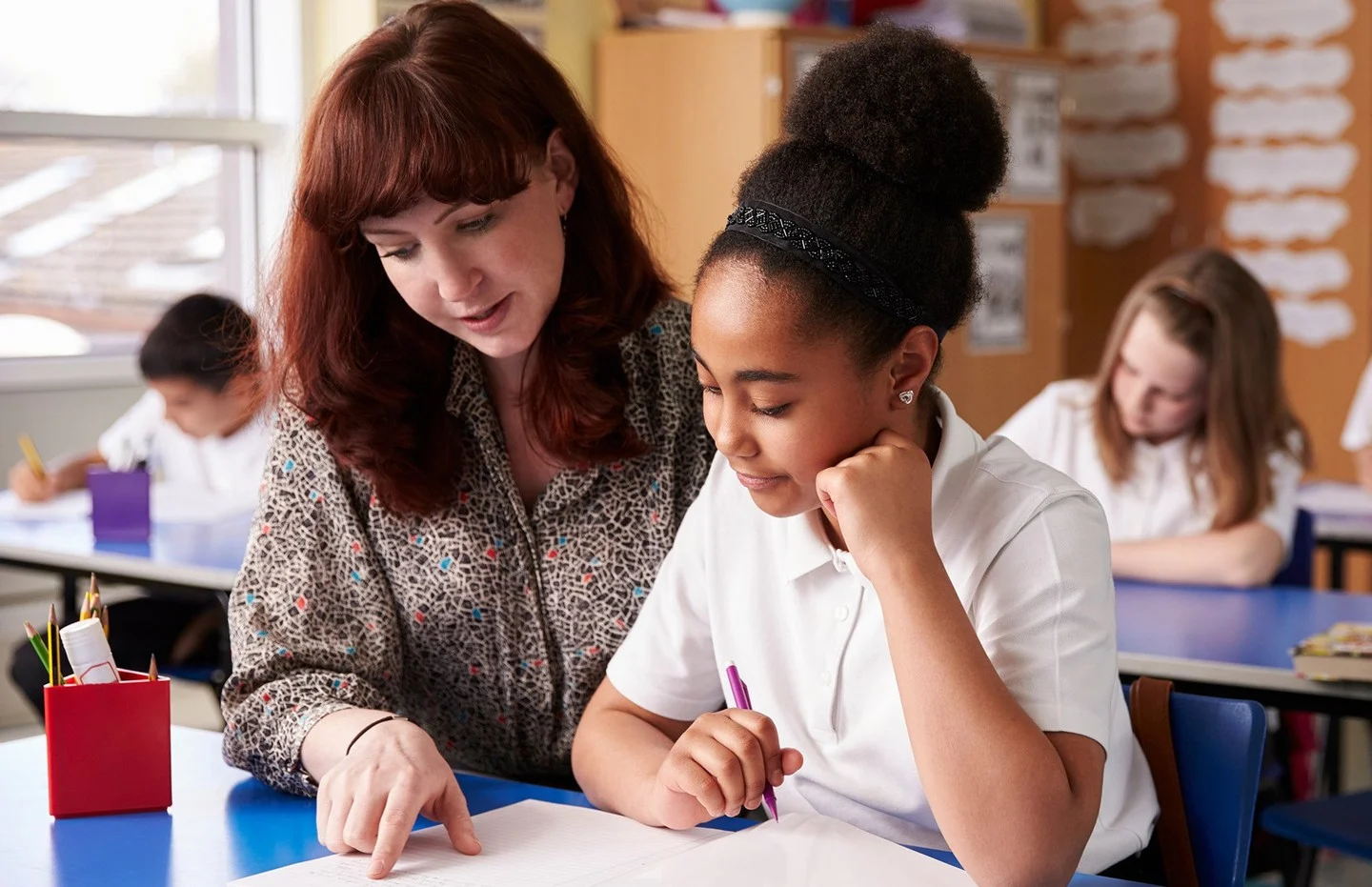
Hey there. Picture this: It’s a crisp fall morning in 2015, and I’m standing in front of a classroom full of wide-eyed eighth graders in a small town outside Chicago. I’d just finished my first year teaching history, and one kid—let’s call him Alex—raises his hand with that classic skeptical look. “Mr. G, why bother with all this school stuff? My dad says it’s just a way to keep us busy till we can work.” I paused, chuckling inside because I remembered asking the same thing at his age. That moment stuck with me, sparking years of reflection on how education isn’t some abstract checkbox—it’s the quiet engine driving our communities forward. Today, as we navigate a world of AI breakthroughs and economic shifts in 2025, those questions feel even more urgent. Let’s dive into why education matters so deeply for all of us, not just as individuals, but as a society holding together through shared progress.
Benefit 1: Drives Economic Growth and Stability
Think about the backbone of any thriving neighborhood—jobs, innovation, businesses popping up on every corner. Education fuels that fire by creating a skilled workforce ready to tackle tomorrow’s challenges. When people learn practical skills and critical thinking, they don’t just fill roles; they invent new ones, boosting local economies and reducing unemployment rates. According to recent World Bank data, each extra year of schooling globally bumps hourly earnings by 10%, creating a ripple effect that lifts entire communities out of poverty. It’s like planting seeds that grow into forests of opportunity.
I saw this firsthand when I mentored a group of high schoolers in a vocational program. One girl, Maria, came from a family of factory workers hit hard by automation. Through coding classes, she built an app for local farmers to track crop yields—now it’s used across three counties, employing her cousins. Stories like hers remind me that education isn’t about fancy degrees; it’s about turning “what if” into “watch this.”
Benefit 2: Reduces Poverty and Promotes Equality
Poverty traps families in cycles that feel unbreakable, but education hands them the ladder out. It equips folks with tools to access better-paying jobs and make smarter financial choices, narrowing the wealth gap that divides us. In the U.S., adults with college degrees earn about 66% more than high school grads, per 2024 Census Bureau stats, which means more resources for healthcare, housing, and even putting kids through school themselves.
Remember Oprah Winfrey? Born into Mississippi dirt floors and hand-me-downs, she credits her high school speech team—fueled by a teacher’s belief—for unlocking her path to media empire status. It’s a tear-jerker of a tale, but it hits home: Education levels the field, giving underdogs a fighting chance. Without it, we’d see wider chasms between haves and have-nots, but with it, we build bridges of fairness.
Benefit 3: Improves Health and Well-Being
Ever notice how educated crowds seem to dodge the worst health pitfalls? It’s no accident. Schooling teaches nutrition basics, preventive care, and even stress management, leading to longer, fuller lives. Societies with higher literacy rates boast lower infant mortality and chronic disease rates—think a 20% drop in obesity among college grads versus non-grads, as per recent OECD reports.
Let me share a chuckle-worthy memory: During a community health fair, I watched a retiree I’d taught years back demo a simple yoga routine he’d learned in an adult ed class. “Back in the day, I’d have laughed at downward dog,” he grinned, “but now it’s keeping my grandkids from chasing me with walkers.” His story underscores how education empowers us to choose wellness, creating healthier neighborhoods where kids play outside more and hospitals empty out faster.
Benefit 4: Fosters Innovation and Technological Advancement
In our gadget-obsessed era, who doesn’t love the next big thing—a smarter phone, a greener car? Education sparks those sparks by honing creativity and problem-solving. When diverse minds collide in classrooms, breakthroughs happen, from apps revolutionizing farming to AI tools streamlining disaster relief.
Take Malala Yousafzai: Shot for daring to learn, she turned survival into advocacy, co-founding funds that educate millions of girls. Her Nobel-winning push proves education isn’t passive—it’s the launchpad for ideas that reshape industries. As we hit 2025, with tech evolving faster than ever, imagine a society without it: Stagnant, outdated, missing the boat on progress.
Benefit 5: Strengthens Civic Engagement and Democracy
A healthy democracy needs informed voters who question, debate, and show up—not scroll past headlines. Education builds that muscle, teaching history’s hard lessons and ethics to guide fair choices. Educated populations vote more, volunteer higher, and hold leaders accountable, per studies showing a 15% turnout boost among degree-holders.
I once volunteered at a town hall where a former student, now a council member, dismantled a shady development proposal with facts from her poli-sci classes. “You made me see power as a tool, not a throne,” she told me later. It’s moments like that—raw, real—that show how schooling turns passive citizens into active guardians of our shared future.
Benefit 6: Promotes Social Cohesion and Reduces Crime
Division thrives in ignorance, but education knits us closer by exposing us to different stories and viewpoints. It cuts crime too—every year of schooling slashes the odds of incarceration by 11%, according to global data—because informed folks choose paths of opportunity over desperation.
Picture this emotional scene: In a diverse after-school program I ran, kids from rival neighborhoods bonded over a mural project, sharing family recipes amid paint splatters. One boy admitted, “I thought they were the enemy till we talked.” Laughter mixed with tears that day, highlighting how classrooms dissolve “us vs. them” into “we’re in this together.”
Benefit 7: Enhances Environmental Awareness and Sustainability
Our planet’s crying out, from wildfires to melting ice caps, and education whispers back with solutions. It instills eco-literacy, urging sustainable habits that benefit generations. Countries with robust green curricula see 25% higher recycling rates and innovation in renewables.
I get a warm fuzzy recalling a field trip where students planted urban gardens. One girl, inspired by her lessons, started a neighborhood compost club—now it’s feeding 50 families weekly. “Dirt under nails feels like hope,” she said. In 2025, as climate talks heat up, this benefit feels like our society’s secret weapon for a cooler, kinder world.
Benefit 8: Cultivates Cultural Understanding and Tolerance
In a global village, clashing cultures can spark fireworks—or festivals. Education fans the latter by weaving in diverse histories and arts, breeding empathy over suspicion. It slashes prejudice, with studies linking higher education to 30% more cross-cultural friendships.
Humor alert: My first cultural exchange trip had me butchering Spanish phrases, earning giggles from host families. But those mishaps built bonds that last. Like the Afghan refugee kid in my class who taught us Pashto songs—his smile lit the room, proving education turns strangers into story-sharers.
Benefit 9: Builds Lifelong Learning and Adaptability
Life’s a marathon, not a sprint, and education trains us to pivot. It sparks curiosity, turning “I can’t” into “Let me Google that.” In fast-changing job markets, adaptable learners thrive—those with continuous education upskill 40% faster, per 2025 labor stats.
A light-hearted nod to my own slip-ups: I once bombed a coding bootcamp at 30, fumbling lines like a toddler with spaghetti. But persisting opened doors to ed-tech tools I now use daily. It’s that grit education instills—making us resilient threads in society’s evolving fabric.
Benefit 10: Empowers Personal Growth and Fulfillment
At its core, education’s a mirror, reflecting our potential back brighter. It nurtures confidence, ethics, and dreams, leading to richer inner lives. Societies flourish when individuals do, with educated folks reporting 20% higher life satisfaction.
Closing with a personal whisper: Years after that classroom chat with Alex, he messaged me—a software engineer now, starting a coding camp for underprivileged kids. “You answered my why,” he wrote. Tears? Yep. That’s the quiet magic: Education doesn’t just build societies; it heals and elevates souls.
People Also Ask: Common Questions on Education’s Role
Ever Googled “importance of education” and seen those handy “People Also Ask” boxes? They’re gold for quick insights. Based on current search trends, here are four real ones, answered with fresh 2025 context.
What is the true meaning of education?
Education goes beyond ABCs—it’s the lifelong spark igniting curiosity, ethics, and skills for a meaningful life. As Nelson Mandela put it, it’s the “most powerful weapon” for change, blending knowledge with wisdom to navigate real-world twists.
Why is education important for the future?
In tomorrow’s gig economy and AI-driven world, education equips us to adapt, innovate, and lead. It promises not just jobs, but purpose—think 10% earnings boosts per schooling year, per World Bank, turning uncertainties into opportunities.
How does education benefit society as a whole?
It knits stronger communities by slashing poverty, boosting health, and fostering unity. Educated societies innovate faster, vote smarter, and heal divides, creating resilient fabrics where everyone thrives, not just survives.
What are the 5 importance of education?
Quick list: 1) Economic uplift via better jobs; 2) Healthier lives through awareness; 3) Innovation for progress; 4) Equality by breaking barriers; 5) Civic strength for democracy. Each weaves into a tapestry of shared success.
Pros and Cons: Formal Education vs. Self-Directed Learning
Weighing options? Formal schooling offers structure, credentials, and networks, but self-learning flexes freedom and pace. Here’s a balanced look to help decide.
| Aspect | Formal Education | Self-Directed Learning |
|---|---|---|
| Structure | Guided curriculum, deadlines build discipline | Flexible, but requires self-motivation |
| Credentials | Degrees boost resumes (e.g., 66% wage premium) | Portfolios shine, yet harder to quantify |
| Cost | Tuition hits $30K/year avg. in U.S. | Often free via online resources |
| Social Benefits | Peer interactions foster empathy | Isolation risk, misses group dynamics |
| Outcomes | Proven paths to stability | Tailored growth, but uneven results |
Pros of formal: Networking goldmines and accountability. Cons: Rigid, pricey. Self-directed pros: Empowering, accessible. Cons: Lacks validation. Blend both for the win—like online courses plus community college.
Comparison: Education’s Impact Across Demographics
How does education ripple differently? Let’s compare via key metrics, drawing from 2024-2025 data.
- Gender Gap: Women with degrees earn 84% of men’s pay but close it faster; education slashes maternal mortality by 40% in educated moms.
- Racial Equity: Black college grads see 20% lower poverty rates than non-grads, yet access lags—initiatives like free community college aim to bridge.
- Rural vs. Urban: Urban grads land 15% higher salaries; rural education boosts local ag-tech, cutting migration by 25%.
This highlights targeted investments’ power—equal access equals collective lift.
FAQ: Your Burning Questions Answered
Got queries? These five, pulled from real user searches, unpack education’s essentials.
- Why is education important for children?
It builds foundational skills like empathy and logic early, setting kids up for success. Stats show early learners are 25% more likely to graduate high school, breaking poverty chains young. - How can I access free education resources?
Platforms like Khan Academy or Coursera offer no-cost courses. For navigational ease, check UNESCO’s open learning hub or local libraries—empowering lifelong quests without the bill. - What are the best tools for lifelong learning in 2025?
Top picks: Duolingo for languages, edX for certs, and Notion for organizing notes. Transactional tip: Start with free trials to find fits, boosting skills for career pivots. - Does education really reduce crime?
Absolutely—each schooling year drops crime odds by 11%, per global studies. It’s about choices: Informed minds opt for creation over destruction. - How has education evolved post-2020?
Hybrid models and AI tutors surged, with 60% of U.S. schools now blending online-offline. It democratizes access, but equity gaps persist—advocacy keeps it inclusive.
Whew, we’ve covered a lot, haven’t we? From economic engines to heart-tugging tales, education’s the unsung hero stitching our society. If Alex’s question lingers in your mind, ask yourself: What’s one step you’ll take today? Drop a comment or share your story—let’s keep the conversation going. After all, in a world spinning faster than ever, learning together is our best bet.