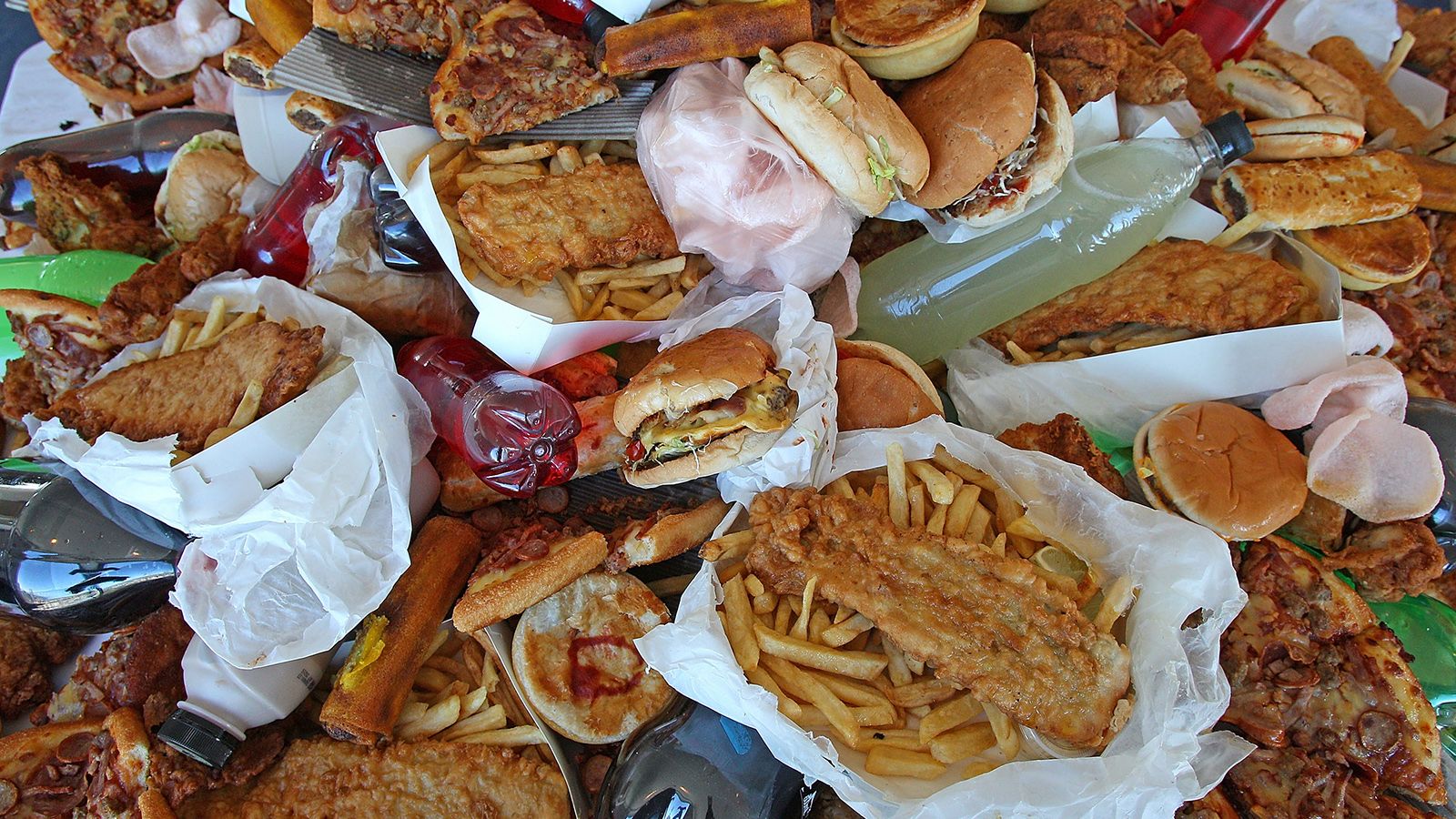
Fast food is a guilty pleasure for many of us. It’s quick, cheap, and undeniably tasty, but have you ever wondered what that burger, fries, and soda combo does to your body? From the moment you take your first bite, your body kicks into overdrive to process the high-fat, high-sugar, and high-sodium meal. Let’s dive into the science, share some relatable stories, and uncover the short- and long-term effects of fast food on your health.
The Immediate Impact of a Fast Food Meal
When you bite into a fast food meal, your body begins a complex process to break down the food. Most fast food is loaded with refined carbs, unhealthy fats, and sodium, which can cause rapid changes in your system. Within minutes, your blood sugar spikes, your heart rate increases, and your digestive system gets to work. Let’s break it down step by step.
Blood Sugar Spikes and Crashes
Fast food meals, especially those with sugary drinks and refined carbs like white buns or fries, cause a rapid rise in blood glucose. Your pancreas releases insulin to manage this spike, but the overload can lead to a crash, leaving you feeling tired and hungry soon after. Ever wonder why you’re starving two hours after a drive-thru meal? That’s the crash talking.
Sodium Overload and Blood Pressure
Most fast food is packed with sodium—think fries, burgers, and even those “healthy” salads with dressing. A single fast food meal can contain over 1,000 mg of sodium, sometimes approaching the daily recommended limit of 2,300 mg. This can cause immediate water retention, bloating, and a temporary spike in blood pressure, putting stress on your heart.
The Role of Unhealthy Fats
Fast food is notorious for trans fats and saturated fats, found in fried items and processed meats. These fats are quickly absorbed into your bloodstream, raising levels of LDL (bad) cholesterol and triglycerides. Over time, this can clog arteries, but even in the short term, your body struggles to process these heavy fats, leading to sluggishness.
The Digestive System’s Struggle
Your stomach and intestines bear the brunt of a fast food meal. The high fat and low fiber content make digestion slow and inefficient. I remember a road trip where I grabbed a quick burger and fries—within an hour, I felt like I’d swallowed a brick. That heavy, bloated feeling is your gut crying for help.
Gut Microbiome Disruption
Your gut microbiome, the community of bacteria that aids digestion and immunity, doesn’t take kindly to fast food. The lack of fiber and overload of processed ingredients can starve beneficial bacteria while feeding harmful ones. Studies suggest that even one fast food meal can shift your gut microbiome balance, leading to inflammation.
Acid Reflux and Heartburn
Greasy, spicy fast food items like fried chicken or tacos can irritate your stomach lining, triggering acid reflux or heartburn. The high fat content slows stomach emptying, allowing acid to creep back into your esophagus. If you’ve ever regretted that late-night taco run, you know the burn is real.
The Brain’s Response to Fast Food
Your brain loves fast food—at least at first. The combo of sugar, fat, and salt lights up your brain’s reward centers, releasing dopamine and making you feel good. But this can create a cycle of cravings, much like my college days when I’d hit the drive-thru every finals week for a quick “stress fix.”
Dopamine and Cravings
Fast food is engineered to be hyper-palatable, triggering dopamine release similar to addictive substances. This is why you might crave a milkshake even when you’re not hungry. Over time, this can desensitize your brain’s reward system, making healthier foods seem less appealing.
Mood Swings and Energy Slumps
The sugar rush from a fast food meal can briefly boost your mood, but the subsequent crash can leave you irritable and foggy. Research shows that diets high in processed foods are linked to increased risks of anxiety and depression. That post-burger slump isn’t just physical—it’s mental too.
Long-Term Effects of Frequent Fast Food Consumption
While one fast food meal won’t ruin your health, regular indulgence can have serious consequences. From weight gain to chronic diseases, the long-term effects are worth considering before you make fast food a habit.
Weight Gain and Obesity
Fast food is calorie-dense, often packing 500–1,000 calories into a single meal. Regularly consuming more calories than you burn leads to weight gain. According to the CDC, over 36% of U.S. adults eat fast food daily, contributing to the obesity epidemic. I’ve seen friends pack on pounds after relying on fast food during busy workweeks.
Heart Disease Risk
The high levels of trans fats, saturated fats, and sodium in fast food are a recipe for heart trouble. Over time, these can lead to atherosclerosis (clogged arteries), high blood pressure, and an increased risk of heart attack or stroke. A 2018 study in Circulation linked frequent fast food consumption to a 20% higher risk of heart disease.
Diabetes and Insulin Resistance
Frequent fast food meals can impair your body’s ability to regulate blood sugar, increasing the risk of type 2 diabetes. The constant insulin spikes from sugary drinks and refined carbs can lead to insulin resistance, a precursor to diabetes. If you’ve got a family history of diabetes, this is a big red flag.
Comparing Fast Food to Healthier Alternatives
Let’s put fast food in perspective by comparing it to a home-cooked meal. Below is a table showing the nutritional differences between a typical fast food meal and a healthier alternative.
| Meal Component | Fast Food Meal | Home-Cooked Alternative |
|---|---|---|
| Main Dish | Cheeseburger (600 cal, 30g fat, 1,200mg sodium) | Grilled chicken breast (200 cal, 5g fat, 100mg sodium) |
| Side | Large fries (500 cal, 25g fat, 400mg sodium) | Baked sweet potato fries (150 cal, 5g fat, 50mg sodium) |
| Drink | Large soda (300 cal, 80g sugar) | Water or unsweetened tea (0 cal, 0g sugar) |
| Total Calories | 1,400 cal | 350 cal |
The fast food meal is calorie-heavy, high in unhealthy fats, and low in nutrients, while the home-cooked option is lighter, nutrient-dense, and easier on your body.
Pros and Cons of Fast Food
Pros:
- Convenient and quick for busy schedules.
- Affordable compared to sit-down restaurants.
- Tasty and satisfying due to engineered flavors.
Cons:
- High in calories, unhealthy fats, and sodium.
- Low in fiber, vitamins, and minerals.
- Contributes to weight gain and chronic diseases.
People Also Ask (PAA)
Here are answers to common Google PAA questions related to fast food’s effects on the body, sourced from real search data.
How Bad Is Fast Food for Your Health?
Fast food is harmful when consumed regularly due to its high content of unhealthy fats, sodium, and sugar. It can lead to obesity, heart disease, and diabetes. Occasional indulgence is less risky, but moderation is key.
Does Fast Food Cause Immediate Damage?
A single fast food meal can cause temporary spikes in blood sugar, blood pressure, and inflammation. While these effects are short-lived, frequent consumption compounds the damage over time.
Can Fast Food Affect Your Mental Health?
Yes, fast food’s high sugar and fat content can lead to mood swings, fatigue, and even increased risks of anxiety and depression. A balanced diet with whole foods supports better mental clarity and emotional stability.
What Are Healthier Fast Food Options?
Some chains offer healthier options like grilled chicken wraps, salads with light dressing, or fruit sides. Check nutrition menus online (e.g., McDonald’s Nutrition) to make smarter choices.
Where to Find Healthier Fast Food Options
If you’re craving fast food but want to minimize the damage, many chains now offer better-for-you options. Chains like Chipotle, Subway, or Panera Bread provide customizable meals with fresh ingredients. Look for grilled proteins, whole-grain buns, and veggie-heavy sides. Apps like MyFitnessPal can help you track calories and make informed choices at the drive-thru.
Best Tools for Healthier Eating
To avoid the fast food trap, consider these tools:
- Meal Prep Apps: Apps like Mealime or Yummly offer quick, healthy recipes to rival fast food’s convenience.
- Nutrition Trackers: MyFitnessPal or Cronometer help you monitor your intake and avoid calorie-heavy meals.
- Smart Scales: A kitchen scale ensures portion control when cooking at home.
- Delivery Services: Services like HelloFresh deliver healthy ingredients to your door, making home cooking easier.
Tips to Minimize Fast Food’s Impact
You don’t have to swear off fast food forever, but a few strategies can lessen its toll on your body:
- Choose Smaller Portions: Opt for a kid’s meal or skip the upsized fries.
- Swap Sugary Drinks: Go for water, unsweetened tea, or diet options.
- Add Veggies: Pair your meal with a side salad or fruit cup.
- Eat Slowly: Give your brain time to register fullness, reducing overeating.
- Balance Your Day: If you indulge, eat lighter, nutrient-rich meals for the rest of the day.
FAQ
Is It Okay to Eat Fast Food Once a Week?
Occasional fast food is unlikely to cause significant harm if your overall diet is balanced. Limit portions and choose healthier options to minimize risks.
Why Do I Feel Tired After Eating Fast Food?
The high sugar and fat content cause a blood sugar spike followed by a crash, leading to fatigue. Low fiber also slows digestion, making you feel sluggish.
Can Fast Food Cause Bloating?
Yes, the high sodium and fat content can cause water retention and slow digestion, leading to bloating and discomfort.
Are There Any Nutritious Fast Food Options?
Some chains offer salads, grilled meats, or low-calorie wraps. Check nutrition info online and customize orders to reduce fats and sodium.
How Can I Break My Fast Food Habit?
Plan meals ahead, keep healthy snacks on hand, and use apps to track nutrition. Gradually replace fast food with home-cooked meals to curb cravings.
Conclusion
Fast food is a convenient temptation, but its effects on your body—from blood sugar spikes to long-term health risks—are hard to ignore. By understanding what that burger and fries do to your system, you can make smarter choices, whether it’s picking healthier fast food options or cooking at home. Next time you’re tempted by the drive-thru, think about your body’s plea for balance. Your future self will thank you.