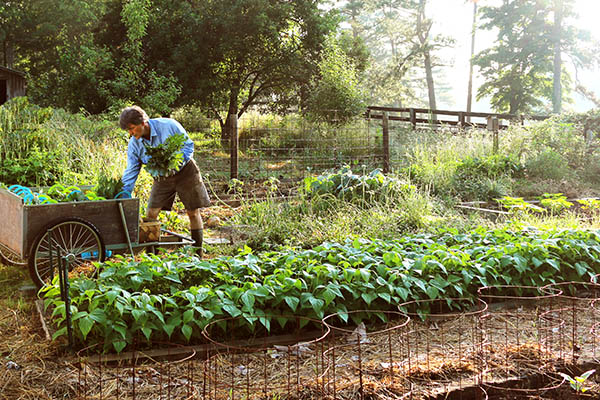
Imagine this: It’s a crisp Saturday morning, and you’re out in the yard, the sun just peeking over the hills, while a couple of chickens peck around your feet and the smell of fresh earth hangs in the air. No alarm clock, no traffic—just you, a small patch of land, and the quiet satisfaction of picking tomatoes that you grew yourself. That’s the pull of a hobby farm for so many folks like me. I’ve spent the last eight years turning a modest five-acre plot in rural Vermont into what I call my “backyard paradise,” complete with goats that think they’re dogs and a garden that keeps my family in veggies through fall. It’s not about striking it rich; it’s about that deep, soul-filling connection to the dirt under your nails and the rhythm of the seasons.
But let’s get real—what exactly makes a hobby farm different from just having a big yard or going full-tilt into commercial agriculture? At its heart, a hobby farm is a small-scale operation, usually under 50 acres, where the goal isn’t to pay the bills but to feed your passion. Think of it as farming’s laid-back cousin: You might raise a few animals for eggs or milk, grow herbs and heirloom tomatoes, or even keep bees for that golden honey. It’s all about pleasure, self-sufficiency on a small scale, and maybe a little side cash from selling surplus at the local market. According to the USDA’s census data, nearly 40% of U.S. farms pull in less than $2,500 a year—many of those are hobby setups like mine, blending joy with just enough practicality to keep the tax man happy.
What draws people in? For me, it started as an escape from city life, a way to teach my kids where food comes from without lectures. Now, it’s woven into our weekends, with family barbecues featuring our own grilled chicken and salads straight from the raised beds. If you’re eyeing that rural listing or wondering if your suburban lot could handle a chicken coop, stick with me. We’ll dig into everything from the nuts and bolts to the muddy realities, so you can decide if this lifestyle fits your dreams.
Defining a Hobby Farm: More Than Just a Backyard Garden
Hobby farms sit in that sweet spot between a casual veggie patch and a full-blown operation. They’re typically 1 to 25 acres—big enough for a barn and a few critters, but small enough that you can manage it alongside a day job or retirement golf game. The key? No pressure for profits. You might sell eggs at the farmers’ market for pocket money, but the real win is harvesting your own kale or watching ducklings waddle behind their mama.
From my plot, I’ve learned it’s less about size and more about intent. Early on, I thought bigger meant better, so I overplanted carrots and ended up with a bumper crop that fed the compost more than us. Turns out, starting small lets you learn without overwhelm. Experts like those at Hobby Farms magazine echo this: Focus on what lights you up, whether it’s fiber arts from angora rabbits or cut flowers for the vase. It’s rural living with a side of therapy, minus the spreadsheets.
And here’s a chuckle-worthy truth: Your hobby farm might look idyllic on Instagram, but expect the occasional goat escape artist turning your flowerbed into a salad bar. That’s part of the charm—imperfect, hands-on, and utterly yours.
The Rise of Hobby Farming: Why Now?
These days, hobby farms are popping up like dandelions in spring, fueled by a post-pandemic itch for space and simplicity. With remote work blurring the lines between office and orchard, more families are ditching condos for acreages. The USDA notes that smallholdings under 10 acres now produce a surprising chunk of global food—around 29% of crops in some metrics—proving you don’t need vast fields to make a dent.
I remember scrolling Zillow in 2017, heart racing at listings for “hobby farm potential.” We snagged ours for a steal, drawn by the promise of fresh air after years in a noisy apartment. It’s not just us; folks are chasing mental health boosts from soil microbes (science says they lift your mood) and the pride of knowing your dinner’s origin story. Plus, in a world of supply chain hiccups, growing your own feels like quiet rebellion.
Yet, it’s not all rosy. Land prices have spiked, making entry tougher for young dreamers—the average hobby farmer skews toward 60, per some studies. Still, with creative financing like USDA beginning farmer loans, it’s more accessible than ever. If you’re feeling the tug, you’re in good company; this trend’s here to stay.
Hobby Farm vs. Small Farm: Drawing the Line
Ever wonder where your weekend garden ends and a “real” farm begins? The divide boils down to motive and scale. A hobby farm is your fun side gig—pleasure-driven, with income as a bonus. A small farm? That’s a business, aiming for steady revenue, often 25-100 acres with structured sales like CSAs or wholesale.
Take my setup: Five acres of mixed veggies, poultry, and pollinators bring in about $3,000 yearly from markets, covering feed but not rent. It’s hobby territory—no employees, no loans hinging on yields. Compare that to my neighbor’s 40-acre vegetable spread, which employs two part-timers and ships to restaurants. His is small-farm status, complete with crop insurance and profit projections.
To break it down further, here’s a quick comparison table:
| Aspect | Hobby Farm | Small Farm |
|---|---|---|
| Size | 1-25 acres | 25-100 acres |
| Primary Goal | Personal enjoyment, light self-sufficiency | Profit generation, market sales |
| Income Expectation | Supplemental or none | Primary or significant |
| Labor | Owner/family, part-time | Hired help possible |
| Tax Treatment | Limited deductions (hobby rules) | Full business write-offs |
This setup lets hobby folks like me experiment without the grind, while small farms feed communities. If you’re leaning hobby, celebrate the freedom; if profit calls, scale thoughtfully.
Pros and Cons of Starting a Hobby Farm
Diving into hobby farming feels like opening a surprise gift box—exhilarating, but with a few tangled ribbons. On the upside, it’s a stress-buster: Studies link gardening to lower cortisol, and nothing beats the taste of sun-warmed berries. Financially, it can trim grocery bills by 20-30% if you’re savvy, and that occasional market sale feels like found money. Emotionally? Watching your kid name the hens builds bonds money can’t buy. I once had a rough week at my desk job, but coming home to harvest potatoes turned it around—therapy in trowel form.
But let’s not sugarcoat: The cons hit hard if unprepared. Time sucks you in; what starts as “weekends only” becomes daily chores, especially with animals needing dawn patrols. Upfront costs? Fencing alone ran me $2,000, and weather whims can wipe out a crop overnight. Then there’s the learning curve—my first goat kid arrived mid-blizzard, turning me into an amateur vet real quick. Humor helps: Call it “farming fails Fridays” and laugh off the escaped rooster who terrorized the mailbox.
Overall, if your heart’s in it, the pros outweigh the pitfalls. Just pace yourself; Rome wasn’t built in a season, and neither is a thriving hobby farm.
Pros of Hobby Farming
- Health and Happiness Boost: Fresh air, exercise, and homegrown eats improve well-being—my blood pressure dropped after starting.
- Family Glue: Teaches responsibility and sparks traditions, like annual jam-making parties.
- Eco Wins: Reduces your carbon footprint through local food and sustainable practices.
- Flexibility: Scale to your schedule; add bees one year, skip the pigs the next.
Cons of Hobby Farming
- Hidden Costs: Equipment and feed add up—budget $5,000+ for basics.
- Weather Roulette: Droughts or frosts can dash dreams; insurance helps but isn’t foolproof.
- Time Thief: Even small ops demand consistency, clashing with full-time gigs.
- Learning Pains: Mistakes like overwatering or poor fencing sting, but they teach fast.
How to Start Your Own Hobby Farm: A Step-by-Step Guide
Ready to roll up your sleeves? Starting a hobby farm isn’t a weekend project—it’s a journey with plot twists. Begin with soul-searching: What excites you? Veggies for the table? Goats for milk and mischief? I started with chickens because eggs seemed easy (ha—roosters beg to differ). Sketch a rough plan: Map your land, note sun patterns, and soil test via your local extension office.
Next, scout resources. Books like “The Backyard Homestead” were my bible, and volunteering at a nearby farm gave hands-on grit. Budget wisely—aim for $1,000-10,000 startup, depending on scope. Secure zoning nods; my town capped coops at six birds, a rule I learned the fun way. Finally, plant or procure: Start seeds indoors, source chicks from hatcheries. My first harvest? A measly six tomatoes, but victory tastes sweet.
Patience is key—year one is trial by fire, but by year two, you’re hooked. And remember, it’s okay if it evolves; mine shifted from poultry-heavy to pollinator paradise.
Step 1: Assess Your Land and Goals
Soil, water, and sunlight dictate success. Get a soil kit ($20 online) and dream big but start small—maybe 1/4 acre garden plus a coop.
Step 2: Gather Essential Tools and Gear
Don’t splurge on shiny tractors yet. Prioritize basics: Shovels, wheelbarrows, fencing pliers. For animals, add feeders and shelters.
Step 3: Choose Your Focus—Plants or Animals?
Veggies are low-barrier; livestock adds joy (and poop-shoveling). Mix for balance—my setup thrives on both.
Best Tools and Equipment for Hobby Farmers
Tools are your farm’s backbone, turning sweat into progress. Skip the mega-machinery; compact wins for small spaces. A sturdy wheelbarrow hauls everything from mulch to mischief-makers, while pruners keep perennials pretty. I swear by my $30 post-hole digger—fencing fences out frustration.
For power, a sub-compact tractor like Yanmar’s models (around $15,000) handles tilling without overwhelming your wallet. Add attachments: Mower for pastures, loader for hay. Don’t forget safety: Gloves, boots, and a first-aid kit stocked with vet wrap. Rent big-ticket items first to test-drive.
Humor alert: That shiny new hoe? It’ll lean against the barn more than work until you name it. But equipped right, you’ll wonder how you farmed without it.
Here’s a starter toolkit table:
| Tool Category | Essentials | Why It Rocks | Approx. Cost |
|---|---|---|---|
| Hand Tools | Shovel, hoe, pruners, gloves | Everyday dirt-dancing partners | $50-150 |
| Power Gear | Compact tractor, chainsaw | Muscle for mowing and wood | $5,000+ |
| Animal Aids | Feeders, waterers, fencing | Keeps critters cozy and contained | $200-1,000 |
| Garden Musts | Raised beds, irrigation hose | Easy wins for greens | $100-500 |
Shop smart at co-ops or used via Craigslist—savings fund more seeds.
Real-Life Examples: Hobby Farms That Inspire
Nothing sells the dream like stories from the soil. Take Sarah in Ohio: Her 3-acre plot specializes in microgreens, sold at markets for $4,000 yearly while feeding her family. She started with a $500 greenhouse kit, turning a side hustle into community chats over kale.
Or consider the Thompsons in Texas, who rescued donkeys on 10 acres. No sales, just sanctuary—pure joy, with therapy sessions for grandkids. My own tale? That first goat, Bessie, who ate my sneakers but taught me resilience. These aren’t glossy mags; they’re muddy miracles, proving hobby farms adapt to you.
From urban edges to rolling hills, examples abound. Check Hobby Farms’ success stories for more—yours could be next.
People Also Ask: Common Questions on Hobby Farms
Google’s “People Also Ask” shines light on curiosities. Here’s the scoop on top queries, pulled from real searches.
How Many Acres Do You Need for a Hobby Farm?
It varies, but 1-10 acres suits most beginners. Chickens thrive on 1/4 acre; add goats, bump to 2-5. My five acres feel spacious yet doable—enough for grazing without grazing your weekends.
What’s the Difference Between a Hobby Farm and a Homestead?
Hobby farms lean recreational, with off-farm income footing bills. Homesteads chase full self-sufficiency, producing most needs on-site. Mine’s hobby—fun first, frugal second—but hybrids exist.
Can You Make Money from a Hobby Farm?
Sure, but it’s gravy, not steak. Eggs or crafts might net $1,000-5,000 yearly. IRS watches: Keep it under hobby rules to deduct basics without audits.
Do Hobby Farms Qualify for Tax Breaks?
Limited—hobby losses don’t offset other income. Show profit motive (3/5 years) for business status. Consult IRS Publication 225 or a CPA; I learned the hard way with sloppy receipts.
How Do I Finance a Hobby Farm?
Loans like Compeer’s rural programs cover land with ag features. USDA aids beginners too. Start small—my down payment was savings plus sweat equity.
FAQ: Your Hobby Farm Questions Answered
Got lingering doubts? These cover frequent fumbles from my chats and forums.
How Much Does It Cost to Start a Hobby Farm?
$2,000-15,000 for basics (fencing, tools, stock). Chickens: $300 entry. Scale up gradually—my first year was under $1,000, mostly seeds and wire.
What Animals Are Best for Beginners on a Hobby Farm?
Chickens for eggs (easy, entertaining). Ducks if you love mess—quack-tastic but splashy. Avoid pigs early; they’re escape artists with attitude.
How Do I Know If My Farm Is a Hobby or Business?
IRS test: Profit intent? Time invested? My setup’s hobby—no full-time push. Track everything; audits hate surprises.
Can I Start a Hobby Farm in a Suburban Area?
Yes, with zoning checks. Backyard coops are hot—start micro. My urban friend nails it on 0.5 acres with bees and beds.
What’s the Biggest Mistake New Hobby Farmers Make?
Overcommitting. I bought too many chicks once; chaos ensued. Rule: Add one element per season, learn as you grow.
Whew, that’s the dirt on hobby farms—raw, real, and rewarding. If my stories sparked something, grab a trowel and test a plot. It’s not perfect, but in a world spinning too fast, it’s grounding. What’s your first move? Drop a comment; I’d love to hear. Until next harvest, keep digging in.