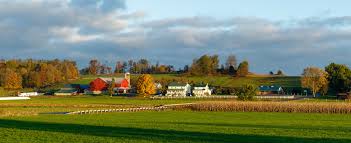
Hey there, mate. Picture this: the sun’s dipping low over the rolling hills of regional Victoria, casting a golden glow on a patch of land that’s just yours. You’ve got a handful of chooks scratching around, a veggie patch bursting with tomatoes sweeter than a summer romance, and maybe a couple of goats eyeing you like they’re plotting world domination. That’s the dream, isn’t it? I know it was for me back in 2018 when I traded Sydney’s hustle for a 20-acre block near the Yarra Valley. No more concrete jungles—just the satisfying thud of a shovel in rich soil and the occasional “baa” that sounds suspiciously like laughter. Starting a hobby farm isn’t just a whim; it’s a way to reconnect with the earth, feed your family fresh goodies, and maybe even pocket a bit of beer money from excess eggs at the local market. But let’s be real—it’s not all rom-com sunsets. There’s mud, mishaps, and the odd escapee rooster crowing at dawn. If you’re itching to ditch the daily grind for some dirt-under-the-nails therapy, stick with me. I’ll walk you through it step by step, drawing from my own trial-and-error triumphs (and the time my first batch of seedlings drowned in a downpour). By the end, you’ll have a roadmap to turn that daydream into your dirt-streaked reality.
What Is a Hobby Farm in Australia?
In the land Down Under, a hobby farm is basically your ticket to playing farmer without the full-time sweat of a commercial operation. Think small-scale setups—usually under 50 acres—where the focus is on joy, self-sufficiency, and a touch of side income rather than turning a massive profit. It’s about growing your own veggies, raising a few animals for eggs or wool, or even dabbling in beekeeping for that golden jar of honey. According to the Australian Government’s Rural Industries Research and Development Corporation, over 60,000 of these gems dot the countryside, covering about 20% of our ag land. They’re perfect for city escapees like I was, craving fresh air and the thrill of harvesting your own spuds.
Why Start a Hobby Farm? The Pull of the Patch
There’s something primal about sinking your hands into soil that yields life. For me, it started as an antidote to burnout—trading spreadsheets for seed packets. Hobby farming lets you unplug, eat cleaner, and teach the kids where milk really comes from (spoiler: not the supermarket shelf). Plus, in a world of processed everything, biting into a sun-ripened peach you nurtured feels like winning the lottery. It’s therapeutic, sustainable, and hey, if your goats multiply faster than planned, you might even offset the feed bill at the farmers’ market. But it’s not without its cheeky challenges—like when my alpaca decided the neighbor’s prize roses were lunch. Worth it? Bloody oath.
Assessing Your Readiness: Dreams vs. Dirt Reality
Before you scroll realestate.com.au for that perfect plot, grab a coffee and a notepad. Ask yourself: What’s my why? Is it veggies for the table, a menagerie of mini livestock, or just space to breathe? Factor in your lifestyle—do you have weekends to weed, or a full-time gig that means weekend warrior mode? I underestimated the time suck at first; one rainy weekend turned into a full-on mud wrestling match with a stuck ute. Budget-wise, start small: aim for $5,000–$10,000 upfront for basics like fencing and tools, plus ongoing costs for feed and vet bills. And don’t forget the emotional side—farming’s a rollercoaster of bountiful harvests and heartbreaking frosts. If you’re nodding along, grinning like a kid at Christmas, you’re ready to roll.
Choosing the Right Location for Your Hobby Farm
Location isn’t just about pretty views; it’s about soil that doesn’t turn to concrete in a drought and water access that won’t leave you cursing the sky. Regional spots like the Southern Highlands in NSW or the Adelaide Hills in SA are gold for beginners—mild climates, decent rainfall, and communities brimming with fellow green thumbs. I lucked out with my Yarra spot: loamy soil perfect for root veg, and a creek that keeps the chooks hydrated without guzzling the bill. Scout for bushfire risk (hello, Australia), flood zones, and proximity to markets or vets—nothing kills the vibe like a two-hour drive for chicken scratch. Pro tip: Visit in winter; what looks lush in spring might be a dust bowl otherwise.
Key Factors to Consider When Picking Land
Soil type tops the list—get a test kit from your local ag supply (about $50) to check pH and nutrients. Clay-heavy? Great for dams, rubbish for carrots. Water’s next: bores, rainwater tanks, or mains? In my neck of the woods, a 10,000L tank was a game-changer during dry spells.
Zoning laws vary by state—NSW might cap livestock at one per acre, while QLD’s more lax. Chat with the local council early; I once nearly bought a block zoned “no goats,” which would’ve cramped my style big time.
Climate seals it. Temperate zones like Tasmania’s Huon Valley suit orchards; arid outback? Stick to hardy natives or sheep. Use the Bureau of Meteorology’s site for rainfall maps—aim for 600mm+ annually to ease irrigation woes.
Navigating Legal and Regulatory Hurdles
Ah, the paperwork party—no Aussie dream’s complete without a dash of bureaucracy. Zoning’s your first gatekeeper: Ensure the land’s tagged rural residential or farming, not conservation (unless you fancy eco-tourism). Then there’s biosecurity—Australia’s fierce on pests, so register with the National Livestock Identification System (NLIS) if you’re eyeing cattle or sheep. For my setup, that meant tagging every ewe and logging movements online—tedious but keeps the quarantine cops off your back.
Essential Permits and Registrations
Start with an ABN if selling surplus (free via the ATO site); it’s your golden ticket for GST credits on feed. Water licenses? Mandatory in drought-prone states like VIC—apply through your catchment authority.
Animal welfare rules bite hard: No overcrowding, and humane slaughter if culling. Check state ag departments; NSW’s got ace guides on chook coops that double as fox-proof fortresses.
Environmental nods: If clearing land, get an EPBC Act approval federally. I dodged a bullet by planting natives instead—saved headaches and lured bees for free pollination.
Financing Your Hobby Farm Dream
Cash or credit? Most of us mere mortals lean on loans, and good news: Hobby farms qualify like any acreage. Banks treat ’em as lifestyle blocks, so expect 20–30% deposits and rates around 5–7%. I financed mine through a rural broker who knew the lingo—scored a low-doc loan since my farm wasn’t my full income. Budget $200,000–$500,000 for a starter 10–20 acres, depending on postcode (cheaper in QLD’s Darling Downs).
Grants? Peek at state programs like SA’s Small Landholder Initiative for fencing rebates. Crowdfunding via GoFundMe worked for a mate’s beehive startup—framed it as “backyard buzz for urban pollinators.”
| Financing Option | Pros | Cons | Best For |
|---|---|---|---|
| Bank Mortgage | Low interest, long terms (20+ years) | Strict lending criteria, high deposit | Established earners with city jobs |
| Rural Broker Loan | Tailored for ag, flexible on income proof | Slightly higher rates (0.5–1%) | First-timers with patchy finances |
| Self-Fund/Savings | No debt stress | Ties up capital | Retirees with nest eggs |
| Government Grants | Free money for eco-upgrades | Competitive, paperwork-heavy | Sustainability-focused setups |
Selecting and Preparing Your Land
You’ve snagged the block—congrats! Now, roll up sleeves for due diligence. Soil test again (labs like SGS charge $100–200), then map water flow to avoid soggy surprises. Clear invasives like blackberry—my first winter was a thorn-pricked battle, but hiring a local slasher ($500/day) was worth every wince.
Fencing’s non-negotiable: Electric for livestock, dog-proof for peace. I went ringlock for goats—$10,000 for 2km, but it paid off when Fang the escape artist finally stayed put.
Best Practices for Land Prep
Start small: Dedicate 1 acre to trials. Amend soil with compost (home-brew or buy bulk at $50/m³) for that crumbly tilth.
Install basics: Shed for tools, shade cloth for seedlings. Drip irrigation? Gold—saves 50% water versus sprinklers.
Permaculture principles: Swales for water capture, guilds of companion plants. It’s low-maintenance magic; my guild of tomatoes, basil, and marigolds fended off aphids like superheroes.
Choosing What to Grow and Raise: Start Simple, Scale Smart
Overwhelmed by options? Me too, at first—dreamed of a mini empire, ended up with wilted lettuces. Rule one: Match to your climate and commitment. Veggies like kale and beans thrive anywhere; fruits need chill hours (NSW tablelands for apples).
Livestock? Chooks for eggs (6 birds feed a family), sheep for wool (Dorper breed’s low-maintenance). Goats? Adorable chaos—great for milking if you’re brave.
Bees buzz in: Low space, high reward. A nucleus hive ($300) yields 20kg honey yearly.
- Veggies: Easy wins—potatoes, zucchini. Succession plant for steady harvest.
- Fruits: Berries first; strawberries fruit year-round in subtropics.
- Animals: Ducks over chooks if wet—happier paddlers.
- Exotics: Alpacas for fleece; fun, but shear annually ($200/head).
Essential Tools and Equipment for Beginners
Gear up without breaking the bank—start with hand tools, add power as you grow. My shed’s a mishmash: $200 for basics, $2,000 for a ride-on mower that handles “lawn” duty.
Must-Have Starter Kit
- Shovels and forks: Ergonomic ones save your back ($50 each).
- Wheelbarrow: Steel, not plastic—hauls mulch like a champ.
- Secateurs: Felco brand’s forever-sharp ($60).
Power tools: Chainsaw for pruning ($300), whipper snipper for edges. For bigger plots, a compact tractor ($10k used) turns toil into Tuesday.
Irrigation: Drip lines from Bunnings ($100/100m). Fencing pliers? Essential for fixes at dusk.
| Tool Category | Budget Pick | Premium Pick | Why It Matters |
|---|---|---|---|
| Hand Tools | Fiskars set ($100) | Spear & Jackson ($200) | Daily digging without blisters |
| Power Gear | Ryobi cordless ($300) | Husqvarna chainsaw ($500) | Clears scrub fast, saves weekends |
| Livestock Aids | Basic feeders ($50) | Auto-waterer ($200) | Keeps chooks hydrated, you sane |
| Soil Prep | Compost tumbler ($150) | Rotary hoe ($1k) | Turns waste to gold quicker |
Daily Operations: From Dawn Patrol to Dusk Delights
Routine’s your rhythm—mornings for feeds, evenings for harvests. I block 2 hours daily: Check fences, water, collect eggs. Weekends? Deep cleans, like coop swaps to dodge mites.
Seasonal shifts: Spring planting frenzy, winter mulching marathons. Apps like FarmLogs track it all—$10/month, worth the sanity.
Humor alert: My “quick fence fix” once turned into a 4-hour comedy of errors with pliers slipping into the dam. Lesson? Tools in toolbox, not pocket.
Pros and Cons of Hobby Farming Down Under
The highs? Fresh feasts that taste like victory, community barbecues with homegrown snags, and that soul-deep satisfaction of self-reliance. Lows? Weather whims (droughts that mock your rain dance), isolation if you’re remote, and the “hobby” tag meaning no big tax breaks unless you scale.
Pros List:
- Health boost: Organic eats, outdoor labor—lost 10kg my first year.
- Skill-building: From novice to “neigh-borhood expert” on alpaca grooming.
- Eco-win: Carbon sinks via trees, pollinators via hives.
- Side cash: Eggs at $6/dozen? Covers the latte habit.
Cons List:
- Time thief: What starts as “fun” eats evenings.
- Cost creep: Vet bills hit like a rogue ram ($500 for a lame goat).
- Weather roulette: Floods in QLD, frosts in TAS—adapt or weep.
- Learning curve: My first compost? Smelled like regret.
Monetizing Your Hobby: From Eggs to Extra Income
Not all hobbies stay broke—sell surplus at markets (Gippsland ones are goldmines). I flog wool scarves online via Etsy, netting $500/month. Agritourism? Host workshops—$50/head for “backyard beekeeping 101.”
Legal nudge: ABN for sales over $75k (rare for hobbyists), food safety certs for jams.
Comparison: Hobby vs. Small Business Farm
| Aspect | Hobby Farm | Small Business Farm |
|---|---|---|
| Income Goal | Supplemental ($<5k/year) | Primary ($20k+) |
| Scale | <50 acres, personal use | 50–200 acres, markets |
| Regs | Basic biosec, no GST | Full ATO, exports |
| My Take | Relaxed joy | Hustle heaven (or hell) |
People Also Ask: Common Queries on Starting Out
Drawing from Google’s wisdom (and my inbox), here are real head-scratchers with straight-talk answers.
How much land do I need for a hobby farm in Australia?
Typically 5–50 acres—enough for a garden, chooks, and grazing without overwhelm. I thrive on 20; smaller suits urban fringes.
What animals are best for beginners on a hobby farm?
Chickens top the list—easy, egg-laying machines. Ducks if damp, sheep for low-fuss mowing. Avoid pigs; they’re escape artists with attitude.
Can I get a loan for a hobby farm property?
Yep, via rural lenders like NAB—treat it as lifestyle lending. Brokers unlock better rates; I saved 0.5% that way.
What are the costs of starting a hobby farm?
$10k–$50k initial: Land deposit, tools, stock. Ongoing? $2k–$5k/year for feed/vet. Start lean—chooks before cows.
How do I sell produce from my hobby farm legally?
ABN first, then state food acts (e.g., VIC’s safe handling cert). Markets love locals; label “homegrown” for that trust bump.
FAQ: Your Burning Questions Answered
Q: Is hobby farming profitable in Australia?
A: Rarely a goldmine, but yes for offsets—$1k–$5k/year from eggs/honey. Focus on joy; profit’s the cherry.
Q: What’s the best state for beginner hobby farmers?
A: VIC or NSW—fertile soils, support networks. QLD for tropics, but humidity’s a humidity (read: pest party).
Q: How do I handle pests on my hobby farm?
A: Integrated pest management: Nets, natives, neem sprays. My garlic spray zaps aphids without nuking bees.
Q: Can I run a hobby farm while working full-time?
A: Absolutely—weekend warrior style. Automate watering; hire help for holidays. Balance is key, or burnout bites.
Q: Where can I learn more about sustainable hobby farming?
A: FarmStyle Australia for courses; local Landcare groups for hands-on. Books? “The Permaculture Home Garden” changed my game.
Whew, that’s your blueprint, friend. From my muddy boots to yours: Start small, laugh often, and remember—every pro farmer was once a wide-eyed newbie chasing chooks. Grab that soil test kit, ring a broker, and chase your patch of paradise. What’s your first crop? Drop a comment; I’d love to hear. Here’s to harvests that heal the heart.