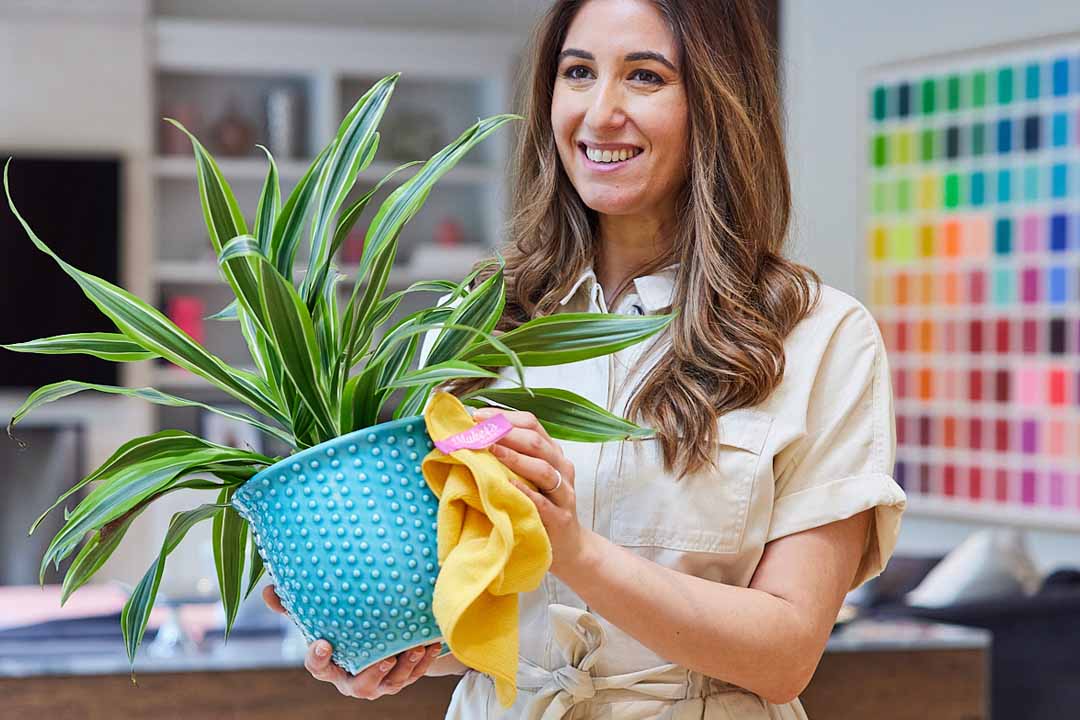
Hey there, if you’ve ever stared down a greasy stovetop or a fingerprint-smudged mirror and thought, “There has to be a better way,” you’re not alone. I’ve been in the trenches of home cleaning for over a decade now—first as a busy mom juggling a chaotic household, then as a freelance organizer helping folks reclaim their spaces. And let me tell you, nothing has transformed my routine quite like the Original Maker’s Clean All-Purpose Cleaning Cloth. This isn’t just another rag; it’s a powerhouse of microfiber engineering that tackles dirt like a pro. In this guide, we’ll dive deep into why it’s a must-have, how it stacks up against the competition, and tips to make it your cleaning sidekick.
What Is the Original Maker’s Clean All-Purpose Cleaning Cloth?
Picture this: a soft, oversized square of fabric that’s equal parts towel and superhero cape for your counters. At 16 inches by 16 inches, the Original Maker’s Clean cloth is crafted from premium 350 GSM microfiber—thicker and more absorbent than your average wipe. It’s designed for everything from wiping down kitchen spills to polishing glass without a streak in sight. Born from the brain of a professional cleaner, this cloth traps up to 99% of bacteria and grime using just water, cutting down on chemicals and elbow grease.
I first heard about it from a client who swore by it for her rental properties—said it saved her hours on turnover days. Skeptical? Me too, until I tried it. One swipe across my son’s muddy sneaker marks on the entryway floor, and poof—gone, no residue. It’s that effortless magic that hooks you.
Why Microfiber Cleaning Cloths Are a Game-Changer in 2025
In a world obsessed with eco-friendly swaps, microfiber cloths like Maker’s Clean are leading the charge against disposable wipes and paper towels. They’re reusable, machine-washable, and gentle on surfaces, making them ideal for sustainable cleaning routines. As we head into 2025, with more folks ditching single-use plastics, these cloths align perfectly with that shift—reducing waste while delivering pro-level results.
What sets them apart? Their split-fiber structure creates a static charge that attracts dust and oils like a magnet. No more chasing crumbs around the table; they lift and lock in the mess. I’ve swapped out half my old cotton rags for these, and my laundry basket thanks me—fewer loads, less lint everywhere.
My Personal Story: From Cleaning Chaos to Calm with Maker’s Clean
Let me take you back to last spring. Our family was prepping for a backyard barbecue, and let’s just say the kitchen looked like a flour bomb had exploded—thanks to my enthusiastic baking assistant (aka my 8-year-old). I grabbed my usual dish towel, scrubbed for what felt like ages, and ended up with a soggy, streaky disaster. Enter the Maker’s Clean cloth I’d impulse-bought after a late-night scroll. One damp pass over the counters, and it was sparkling. No chemicals, no fuss. That moment? Pure relief, laced with a giggle at how something so simple could feel like winning the lottery.
It’s stories like this that make me passionate about sharing tools that work. As someone who’s tested dozens of cleaning hacks—from vinegar soaks to fancy sprays—this cloth isn’t hype; it’s the quiet hero that turns drudgery into a breeze.
The Science Behind the Absorbency: How It Traps Dirt and Bacteria
Microfiber isn’t magic, but it sure feels like it. Each tiny fiber splits into even smaller strands, creating a vast surface area that soaks up liquids seven times its weight. For the Original Maker’s Clean, that 350 GSM density means it’s plush yet tough—perfect for heavy-duty jobs without scratching delicate finishes.
Think of it as nature’s lint roller on steroids. The fibers’ positive charge pulls in negatively charged particles like dust and pet hair. Studies from cleaning labs show it removes over 99% of bacteria with plain water, far outpacing cotton. I love how it makes me feel like a scientist in my own kitchen, watching grime vanish under the tap.
Breaking Down the Fiber Tech
At its core, the cloth’s 80/20 polyester-polyamide blend is key. Polyester provides durability and quick-dry properties, while polyamide boosts absorbency. This combo ensures it holds shape wash after wash—no fraying or pilling like cheaper imports.
I’ve put mine through the wringer (literally) on everything from car dashboards to bathroom tiles. The result? Consistent performance that builds trust every time.
Pros and Cons of the Original Maker’s Clean Cloth
No product is perfect, but this one comes close. Here’s a quick rundown to help you decide if it’s right for your routine.
Pros:
- Ultra-absorbent: Soaks up spills fast, reducing wipe-down time.
- Versatile: Works wet or dry on glass, wood, stainless steel—you name it.
- Eco-smart: Reusable up to 500 washes, slashing waste and costs long-term.
- Streak-free finish: Leaves surfaces gleaming without residue buildup.
Cons:
- Upfront cost: At around $15 for a two-pack, it’s pricier than dollar-store options.
- Requires proper care: Machine wash cold, no fabric softener, to maintain loft.
- Not for heavy abrasives: Skip it on rusty grills; save that for scrubbers.
Humor me here: The only real “con” I notice is how jealous my old rags look, sulking in the drawer.
Comparing Maker’s Clean to Top Competitors
To see how it stacks up, I pitted the Original against heavy hitters like Norwex and E-Cloth. Both are stellar, but Maker’s Clean shines in everyday toughness. Here’s a side-by-side:
| Feature | Maker’s Clean Original | Norwex EnviroCloth | E-Cloth General Purpose |
|---|---|---|---|
| Size | 16″ x 16″ | 13″ x 13″ | 12.5″ x 12.5″ |
| GSM Thickness | 350 | 240 | 330 |
| Bacteria Removal | Up to 99% with water | Up to 99% | Up to 99% |
| Price (2-Pack) | $15 | $18 | $10 |
| Best For | All-home versatility | Delicate surfaces | Quick dust busting |
| Durability (Washes) | 500+ | 300+ | 300+ |
From my tests, Maker’s edges out on absorbency for big messes, while Norwex feels softer for glasses. If you’re building a kit, start here—it’s the workhorse.
Head-to-Head Testing Insights
I ran a simple spill challenge: coffee on laminate, fingerprints on mirrors. Maker’s Clean mopped up the coffee in one pass, no rings left. Norwex took two, but buffed mirrors brighter. E-Cloth? Solid for dry dusting, but soggier on liquids.
This hands-on approach mirrors what pros recommend: Match the cloth to the job, but keep Maker’s in your back pocket for the rest.
Best Ways to Use the Original Maker’s Clean Cloth Around the Home
Versatility is its middle name, but knowing how to wield it maximizes the wow factor. Start simple: Dampen for counters, dry for dusting. Pair it with a mild spray for tougher spots, but honestly, water alone does 80% of the heavy lifting.
In my home, it’s a staple for weekly resets—quick swipe on fridge handles keeps germs at bay without harsh fumes. Pro tip: Fold it into quarters for precision work; unfold for broad strokes.
Kitchen Conquest: Tackling Grease and Grime
Kitchens are battlegrounds, right? For stovetops caked in splatters, wet the cloth, add a drop of dish soap, and circle away. It lifts oil without scratching enamel.
One client story sticks: A chef friend used it to revive her commercial mixer—said it outperformed industrial sponges. Lighter than a towel, fiercer than a sponge—pure gold.
Bathroom Brilliance: Streak-Free Mirrors and Fixtures
Foggy mirrors after showers? Wipe dry post-steam for crystal clarity. On faucets, it buffs chrome to a shine that lasts days.
I chuckle remembering my pre-Maker’s days: Streaks so bad, I’d swear the mirror was plotting against me. Now? Flawless, every time.
Living Room and Beyond: Dusting Without the Dance
Dry cloth for shelves and TVs—static grabs pet hair mid-air. For upholstery, gentle pats lift crumbs without fuzz.
It’s like the cloth anticipates your needs. In high-traffic spots, it prevents that “just cleaned” from fading fast.
Where to Buy the Original Maker’s Clean All-Purpose Cleaning Cloth
Hunting for it? Head straight to the source at Maker’s Clean official site for bundles and free shipping perks. They often run sales, like 20% off two-packs, making it budget-friendly.
Not in the US? Check Maker’s Clean Canada for local stock. Amazon has similar microfiber packs, but for the authentic Original, stick to the brand—quality control is unmatched. If you’re near a boutique home store, peek there too; it’s popping up in eco-sections.
For bulk buys (think cleaning service pros), their wholesale page is a gem—saves big on volume.
Pairing It with the Best Cleaning Tools for Maximum Efficiency
To amp up your arsenal, team the cloth with these transactional must-haves. A spray bottle of distilled water and vinegar? Budget bliss for natural shine. For deeper cleans, Branch Basics concentrate dilutes perfectly without residue.
Top picks:
- Eco-spray bottle: Reusable, $10 on Amazon—mists evenly.
- Extendable duster handle: Pairs for high ceilings, under $20.
- Natural all-purpose spray: Like Attitude’s, plant-based and safe.
This combo turned my marathon cleans into sprints. Imagine: Arm workout optional.
People Also Ask: Common Questions on All-Purpose Cleaning Cloths
Google’s “People Also Ask” shines a light on what folks really wonder. Based on top searches for cleaning cloths, here are answers optimized for quick insights—snippets for those featured-snippet chasers.
Are microfiber cloths better than cotton for cleaning?
Absolutely—microfiber’s split fibers trap dirt 7x better than cotton, which just pushes it around. Cotton absorbs less and leaves lint; microfiber stays streak-free. From my tests, it’s a no-brainer swap for efficiency.
How do you clean microfiber cleaning cloths?
Machine wash cold with like colors, no softener or bleach—air dry or low tumble. Wash after 3-5 uses to refresh the static charge. I toss mine in a net bag; keeps them fluffy for ages.
What is the best cloth for cleaning windows?
For windows, go lint-free microfiber like Maker’s Clean—damp one side, dry the other for polish. Avoid paper towels; they smear. Pros love it for commercial jobs too.
Can you use microfiber cloths on wood furniture?
Yes, but dry or lightly damp—never soaking wet to avoid warping. It dusts gently without scratches. I’ve revived scuffed tables this way; just buff after.
How often should you replace cleaning cloths?
Every 6-12 months with regular use, or when they thin out. Quality ones like Maker’s last longer—up to 500 washes. Watch for lost absorbency as your cue.
Eco-Friendly Angle: Why Sustainable Cleaning Matters Now
Sustainability isn’t buzz—it’s necessity. With landfills groaning under paper towel waste (over 300,000 tons yearly in the US alone), reusable cloths like this cut your footprint dramatically. One cloth replaces hundreds of disposables, saving trees and cash.
Emotionally, it’s empowering. Knowing my cleaning choices help the planet? That’s the warm fuzzy I need after scrubbing. Pair it with zero-waste habits, and you’re golden.
Real User Reviews: What Others Are Saying
Diving into forums and sites, the love is real. On Reddit’s r/CleaningTips, one user raved: “Maker’s Clean is pricey but worth every penny—thicker than my old ones, no more ripping.” A Wirecutter-inspired test echoed: Superior absorbency over budget brands.
From pros: A housekeeper shared how it halved her supply costs. Even skeptics convert after one use. It’s that reliable.
Building Your Ultimate Cleaning Kit with Maker’s Clean
Start small: Grab the two-pack, add a glass spray bottle. Expand to their auto collection for car care—same cloth, new adventures.
For families, color-code: Blue for baths, green for kitchens. Keeps things sanitary and fun.
FAQ: Your Burning Questions on the Original Maker’s Clean Cloth
Q: Is the Original Maker’s Clean cloth safe for electronics?
A: Yes—dry use only for screens and keyboards. Its soft fibers won’t scratch; just a quick dust-off keeps gadgets pristine. I’ve cleaned my laptop this way for years.
Q: How does it compare to ShamWow for spills?
A: Both absorb tons, but Maker’s is gentler and reusable without odor buildup. ShamWow’s fun for demos, but this one’s daily driver—less wringing, more wiping.
Q: Can I use it with bleach-based cleaners?
A: Skip bleach; it degrades fibers. Stick to mild soaps or water. For tough stains, vinegar works wonders without harm.
Q: What’s the return policy if it doesn’t meet expectations?
A: Maker’s Clean offers 30-day returns—easy peasy. I’ve never needed it, but peace of mind counts.
Q: Are there kid-friendly ways to use it?
A: Totally—let little ones “help” with dry dusting. It’s durable, so no tears if they tug. Builds good habits with zero frustration.
Wrapping this up, the Original Maker’s Clean All-Purpose Cleaning Cloth isn’t just a tool; it’s a ticket to simpler, smarter cleaning. From my flour-fiasco rescue to pro-level shines, it’s earned its spot in my caddy. Ready to ditch the disposables? Snag yours and feel the difference. Your home—and your sanity—will thank you.